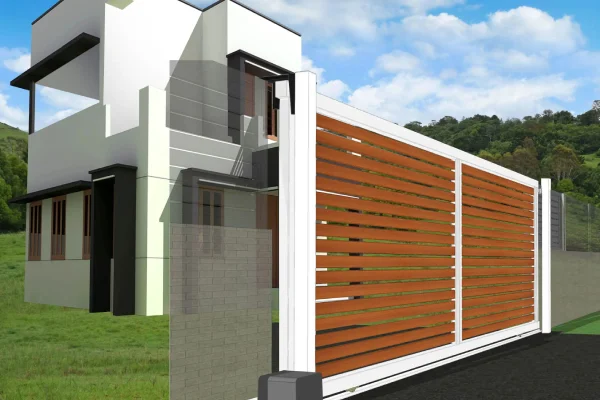
Swing Gate
Single or double leaf hinged to the pillars. The traditional arrangement, needing clear arc inside the gate line and a reasonably level approach.
A gate is the first thing anyone sees of a building and the hardest working thing on it. This page covers the gate types available in aluminium, how they compare with mild steel and timber, and the hardware and finish decisions that decide whether a gate still swings true in ten years.
An aluminium gate is built from extruded aluminium sections rather than mild steel or timber, and the practical difference shows up after installation rather than at it. Aluminium does not rust where the finish is scratched, does not rot or warp, and carries no termite risk, so the repainting cycle that every steel and timber gate needs simply does not apply.
Alurac supplies swing, sliding, louvre, batten, panel, pedestrian and automated gates, fabricated to the opening and the pillar positions as they stand on site, in powder coated, anodised, matte, glossy and wood finishes that can be matched to the elevation.
For a measured quotation, call +91-9312500138 or email info@alurac.in.
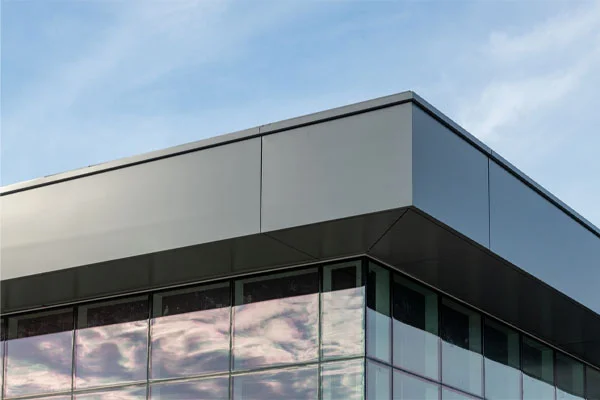
Gates get judged on their design and fail on their hardware. The leaf is opened and closed several times a day, pushed by wind, and hung off two fixings into a pillar that may not be perfectly plumb. Over a few years that is a great deal of cycling for a hinge to absorb.
Weight is what decides how long it lasts. A lighter leaf puts less load through the hinges, the pillar fixings and, on an automated gate, the drive unit. That is the quiet advantage of aluminium at an entrance, and it matters more than the finish most buyers choose on.
Seven configurations, chosen mostly by driveway width and the slope of the approach.
Single or double leaf hinged to the pillars. The traditional arrangement, needing clear arc inside the gate line and a reasonably level approach.
A leaf running on a track alongside the boundary wall. Handles a sloping driveway where a swing leaf would foul the ground.
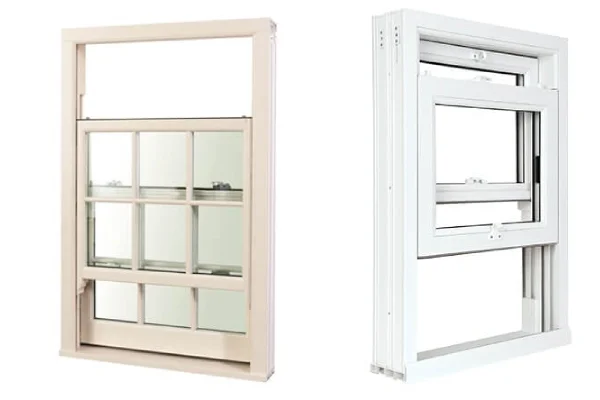
Angled louvre sections giving privacy from the street while still letting air move through the entrance.
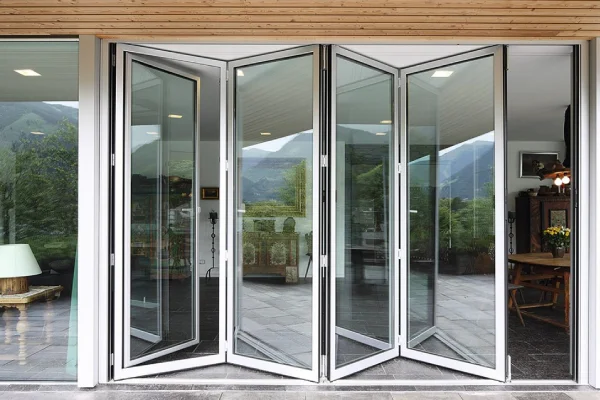
Horizontal or vertical battens at a set spacing, where the rhythm of the gaps is the design and the privacy level together.
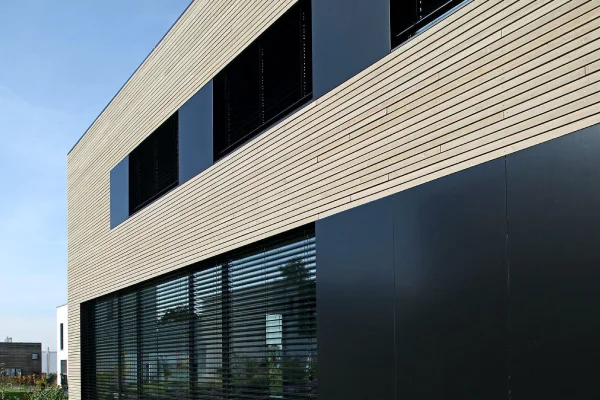
Solid infill panels for complete privacy, often combined with a louvre or batten band to break up the mass.
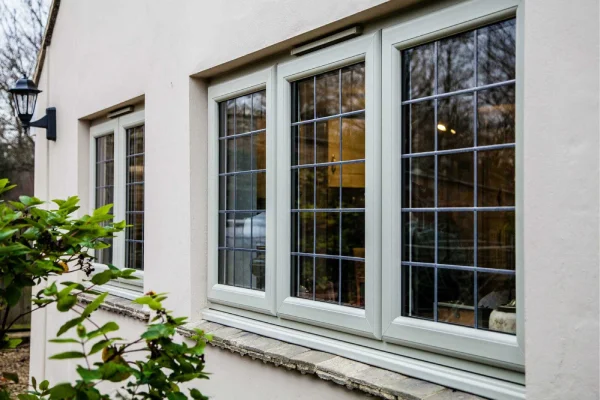
A matching smaller leaf beside the main gate, so daily access does not mean opening the full driveway entrance.
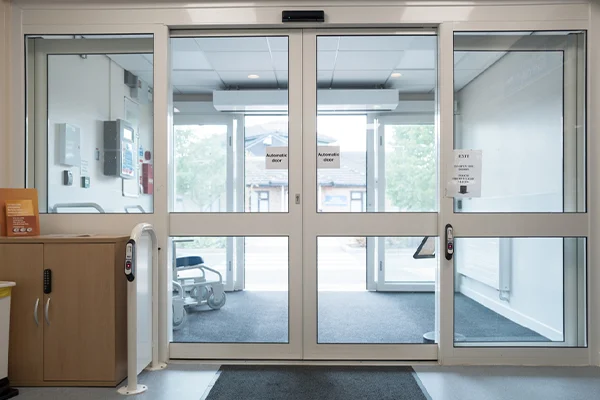
Swing or sliding types fitted with an automation kit. The lighter aluminium leaf means the drive unit works against less weight.
How the three common gate materials behave at an Indian entrance.
| Consideration | Aluminium | Mild Steel | Timber |
|---|---|---|---|
| Rust and corrosion | Does not rust | Rusts wherever the finish is broken | Does not rust but rots |
| Termite risk | None | None | Real, especially near ground level |
| Weight on hinges | Light, so less strain on fixings | Heavy, which works hinges harder | Heavy and increases when wet |
| Finish upkeep | Wash only, no repainting | Periodic rust treatment and repainting | Regular polish or paint |
| Behaviour in monsoon | Unaffected | Accelerated corrosion at damage points | Swells and can stick |
| Design range | Louvre, batten, panel and wood effect | Wide, through fabrication | Limited by timber availability |
| Suits automation | Well, because the leaf is lighter | Possible, with a stronger drive unit | Rarely used |
General guidance for entrance gates in Indian conditions. The right choice still depends on the opening width, the approach and the look the elevation needs.
Four surface options at an entrance that takes sun, dust and rain every day.
Timber appearance at the entrance without warping, swelling or termite risk. The most requested gate finish in recent years.
A wide colour range, usually matched to the window line or the elevation so the entrance reads as one piece.
A surface layer that is part of the metal rather than a film over it, suiting coastal and high-dust exposure.
Matte charcoal and black hide dust between washes better than gloss, which is worth considering on a street-facing gate.
The same process whether it is a single gate or a full entrance package.
 01
Call, WhatsApp or send an enquiry and we schedule a convenient slot.
 02
Openings are measured on site and your priorities are noted.
 03
System, glass, finish and hardware are proposed with an itemised quotation.
 04
Made to the measured opening, then fitted, sealed and finished by our own team.
 05
See and operate the systems in person at our Ghaziabad experience centre.
What homeowners, builders and architects ask most before ordering.
Because of what happens after installation. A mild steel gate rusts wherever its paint is scratched or chipped, and in Indian conditions that means a repainting cycle for the life of the gate. Aluminium does not rust, its powder coated finish needs no repainting, and the gate is lighter, which puts less strain on the hinges and the pillar.
Swing gates in single or double leaf, sliding gates running on a track, louvre gates for privacy with airflow, batten and panel gates, pedestrian side gates, and automated versions of swing and sliding types. The choice is usually decided by the driveway width and the slope of the approach.
Yes, when the section is specified for it. Gate framing uses deeper and heavier sections than window framing, chosen against the leaf width and weight. The common mistake is specifying a section on appearance and then finding it flexes across a wide leaf.
Yes, and it is one of the most popular choices. Wood grain applied over aluminium gives the appearance of a timber gate at the entrance without the warping, swelling, repainting and termite risk that a real timber gate brings outdoors.
It depends on the space in front of and beside the opening. A swing gate needs clear arc inside the gate line and a reasonably level approach. A sliding gate needs a clear run alongside the boundary wall for the leaf to travel into, but handles a sloping driveway far better.
Yes. Both swing and sliding types can take an automation kit. Because aluminium leaves are lighter than steel, the motor works against less weight, which tends to extend the life of the drive unit and the hardware.
That is decided by the infill rather than the frame. Louvre sections give privacy while still letting air move, panel infills give full privacy, and batten spacing can be adjusted to tune how much is visible from outside.
Very little. Wash the leaves periodically, keep the track clear on a sliding gate, and check hinges, rollers and the lock once a year. There is no rust treatment and no repainting cycle, which is the main practical difference from steel.
Yes, and it is worth doing. The same finish can run across the gate, the front elevation cladding, the railings and the window line, which is what makes an entrance read as one designed piece rather than items bought separately.
Yes. Gates are fabricated to the measured opening and the pillar positions as they actually stand on site, rather than to a stock size, which matters because boundary walls are rarely built exactly to drawing.
Share your opening width, pillar positions or a few site photos. We will recommend the gate type, section and hardware for the span, then share an itemised quotation.
The gate and elevation systems behind these types.