Aluminium DGU Glass
What a double glazed unit actually is, how the sealed cavity slows heat and sound, how DGU compares with single and triple glazing, where it earns its cost in Indian conditions, and what makes a sealed unit fail early.
- Double Glazed Units Explained
- DGU vs SGU vs TGU
- Heat & Noise Control
- Specified With the Frame
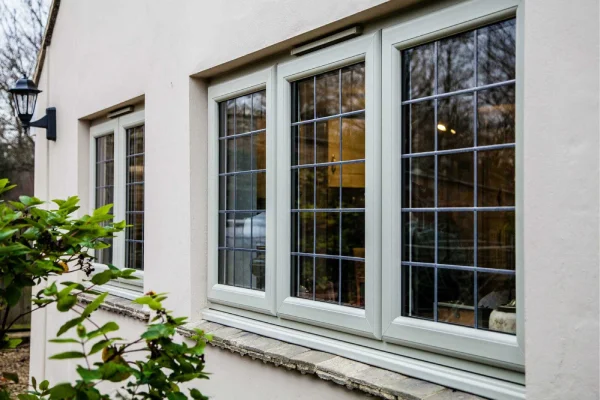
What Is DGU Glass?
DGU glass stands for double glazed unit. It is a sealed assembly of two panes of glass held apart by a perimeter spacer bar, with the cavity between them sealed and kept dry by a desiccant inside that bar. The still air trapped in that cavity is what slows heat and sound passing through the opening.
In a window or door, aluminium DGU glass is specified together with the frame rather than separately, because the unit is heavier than a single pane and needs a section deep enough to hold it, continuous gaskets and working drainage. Alurac supplies double glazed units across its casement, sliding, tilt and turn, slide and fold and lift and slide systems. To discuss an opening, call +91-9312500138 or email info@alurac.in.
How a Double Glazed Unit Is Built
Four components, and the one that does the actual work is the one you cannot see.
Two Panes of Glass
The inner and outer panes, which can differ from each other. One may be toughened, laminated, tinted or coated depending on what the opening has to deal with.
The Spacer Bar
A perimeter bar that holds the two panes apart and creates the cavity. It also carries the desiccant that keeps the sealed air inside the unit dry.
The Sealed Cavity
The still air trapped between the panes. This is the part doing the insulating work, because still air conducts heat far more slowly than glass does.
The Double Seal
A primary seal against moisture and a secondary seal holding the unit together structurally. The lifespan of the whole unit rests on these two.
What the Sealed Cavity Actually Does
Four effects that follow from putting still air between two panes.
Slows Heat Transfer
Still air conducts heat poorly, so the cavity breaks the easy path that a single pane gives summer heat into an air-conditioned room.
Reduces Noise
Two panes separated by a cavity interrupt sound more effectively than one, which is why road-facing bedrooms benefit most.
Limits Condensation
A warmer inner pane is less likely to run with condensation in winter, which protects the frame, the plaster and the furnishings below.
Improves Comfort Near the Glass
A single pane radiates its own temperature into the room. With a cavity, sitting beside a window stops feeling noticeably hotter or colder than the rest of the room.
DGU vs SGU vs TGU
Single, double and triple glazing compared on what each is actually chosen for.
| Consideration | SGU (Single) | DGU (Double) | TGU (Triple) |
|---|---|---|---|
| Number of panes | One | Two with a sealed cavity | Three with two cavities |
| Heat control | Lowest | Noticeably better than single | Best of the three |
| Noise reduction | Limited | Clear improvement on busy roads | Highest, for severe exposure |
| Condensation risk | Highest on the inner face | Reduced | Lowest |
| Unit weight | Lightest | Heavier, so hardware must suit | Heaviest, needs robust systems |
| Relative cost | Most economical | Mid | Premium |
| Usual use in India | General purpose openings | Heat and noise exposed rooms | Specialised and severe cases |
General guidance for specifying in Indian conditions. The right choice depends on orientation, exposure, noise levels and how the room is used.
Where DGU Glass Earns Its Cost in India
Six situations where the difference is genuinely felt, rather than simply specified.
West Facing Rooms
Afternoon sun through a single pane is the biggest cause of overheating in Indian homes. This is where a double glazed unit pays back fastest.
Road Facing Bedrooms
Traffic and horn noise is the complaint that most often drives the enquiry, and glazing plus a properly sealed frame is what answers it.
Air Conditioned Rooms
Where cooling runs for long hours, slowing heat entering through the glass reduces how hard the system has to work to hold a temperature.
Upper Floors and High Rises
More exposure to sun and wind, and usually larger glazed areas, which makes the glass specification matter more than it does lower down.
Hotels and Guest Rooms
Guests judge a room partly by how quiet it is, which makes glazing one of the more visible investments in hospitality work.
Home Offices and Studies
Rooms used for calls and concentrated work, where street noise is a daily interruption rather than an occasional one.
Why Sealed Units Fail Early
Six causes, most of which are decided by the frame and the fitting rather than by the glass.
Seal Failure and Fogging
If the perimeter seals fail, moist air enters the cavity and the unit mists internally. It cannot be cleaned, because the condensation is inside sealed glass.
Frame Drainage Blocked
A unit sitting in water in its rebate will eventually fail at the seal. Working drainage in the frame protects the glass as much as the room.
Poor Setting and Packing
Glass that carries its weight on the wrong point, or is pinched by incorrect packing, stresses the seal from day one.
Hardware Not Rated for the Weight
A double glazed unit is heavier than a single pane. Hardware chosen for the lighter option drops, binds and eventually breaks the seal through movement.
Units Made Up on Site
Sealed units are factory products. Anything assembled in site conditions will not hold a dependable seal over time.
An Unsuitable Frame
A frame too shallow to take the unit properly, or without continuous gaskets, undermines the glazing however good the unit itself is.
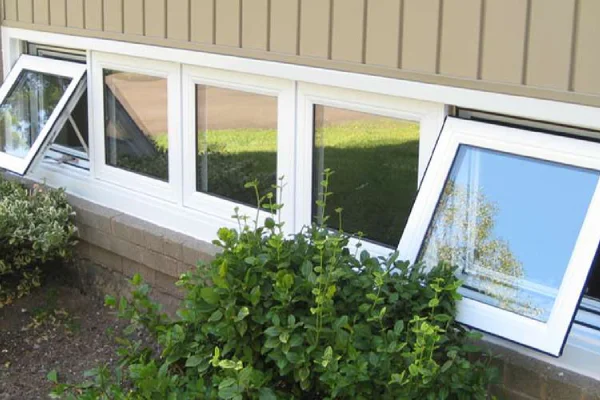
Aluminium DGU Glass Depends on the Frame Around It
A sealed unit is often treated as an upgrade that can be added to any window. It cannot. The unit is heavier than a single pane and thicker through its section, so the frame has to be deep enough to hold it correctly and the hardware has to be rated to carry it without dropping or binding over time.
The frame also protects the unit. Continuous gaskets stop water reaching the edge seal, and working drainage carries away anything that does get in. A unit left sitting in water in its rebate will fog internally within a few years no matter how well the glass itself was made.
- Section depth suited to a sealed unit rather than a single pane.
- Hardware rated for the additional weight of the glass.
- Continuous gaskets keeping water away from the edge seal.
- Drainage that works, so the unit never sits in standing water.
- Factory-made units, since site assembly cannot hold a dependable seal.
From Enquiry to Fitted Door in Five Steps
The same process whether it is one room or every opening in a building.
 01
Book a Consultation
Call, WhatsApp or send an enquiry and we schedule a convenient slot.
 02
Share Your Opening
Openings are measured on site and your priorities are noted.
 03
Specification & Quote
System, glass, finish and hardware are proposed with an itemised quotation.
 04
Fabrication & Fitting
Made to the measured opening, then fitted, sealed and finished by our own team.
 05
Showroom Visit
See and operate the systems in person at our Ghaziabad experience centre.
Aluminium DGU Glass: FAQs
What homeowners, architects and builders ask most about double glazing.
What is DGU glass?
DGU stands for double glazed unit. It is a sealed assembly of two panes of glass held apart by a perimeter spacer bar, with the cavity between them sealed and kept dry by a desiccant inside that bar. The still air in that cavity is what slows heat and sound passing through the opening.
What does DGU stand for?
Double glazed unit. The same product is also called an insulated glass unit or a sealed unit. A single pane is sometimes called an SGU and a triple glazed version a TGU.
How does DGU glass reduce heat and noise?
The sealed cavity is the working part. Still air conducts heat far more slowly than glass, so the easy path for summer heat into a cooled room is broken. For sound, two panes separated by a cavity interrupt noise more effectively than one continuous pane does.
Is aluminium DGU glass worth it in India?
It is worth it where there is a problem to solve. West facing rooms taking afternoon sun, road facing bedrooms, air conditioned rooms running long hours, upper floors and hotel guest rooms are where the difference is felt. On a sheltered, quiet, north facing opening, the benefit is much smaller.
What is the difference between DGU and SGU?
An SGU is a single pane. A DGU is two panes with a sealed cavity between them. The DGU performs better on heat, noise and condensation, weighs more, and costs more. The weight matters because the frame and hardware have to be specified to carry it.
Does a double glazed unit stop condensation?
It reduces it on the inner face, because that pane stays closer to room temperature instead of running cold. It does not address humidity generated inside the room itself, which still needs ventilation.
Can the two panes in a DGU be different?
Yes, and they often are. The outer pane may be tinted, reflective or coated for solar control while the inner is clear, or one pane may be laminated for safety and acoustic benefit. The combination is chosen against what the opening has to handle.
Why do some double glazed units fog up inside?
Because the perimeter seal has failed and moist air has entered the cavity. It cannot be cleaned, since the condensation is inside sealed glass, so the unit has to be replaced. Correct frame drainage, proper setting and hardware rated for the weight all help prevent it.
Does aluminium DGU glass need a special frame?
It needs a frame deep enough to take the unit properly, with continuous gaskets, working drainage and hardware rated for the extra weight. A system profile designed for sealed units handles all of that, which is why the frame and the glass are specified together.
Can DGU glass be used in sliding and folding doors?
Yes, provided the system is specified for it. The unit is heavier than a single pane, so running gear, hinges and the section itself must be chosen to carry it. Lift and slide and heavier sliding systems are commonly used where large double glazed panes are involved.
Deciding Whether DGU Glass Is Right for Your Opening?
Tell us which rooms are affected and what the problem is, whether heat, glare or noise. We will recommend the glazing and the system to carry it, then share an itemised quotation.
Related Pages
The systems these units are glazed into.